
Cleaning, engineered with data.
Sensors tell us when. Our platform tells us how. Robots, chemistry and water treatment do the work, and our crews prove the result. This is the technology behind every RenewClean programme.
The schedule writes itself. Then it keeps improving.
Our platform brings soiling data, weather, rainfall, your tariff and the cost of each clean into one model. It sets a clean trigger for every block, schedules the crew and equipment, and reports what each clean recovered.
- Soiling ratio per block, every day
- Clean triggers based on cost versus lost yield
- Method, product and water chosen per clean
- Monthly report: energy recovered, water used, rows cleaned, defects found

Soiling ratio · 60 daysBlock B4
Plant map · soiling by string56 strings
Next cleansAuto-scheduled
Measure the loss. Don’t guess it.
Before we set a schedule, we install sensing that measures what dirt is actually costing your plant.
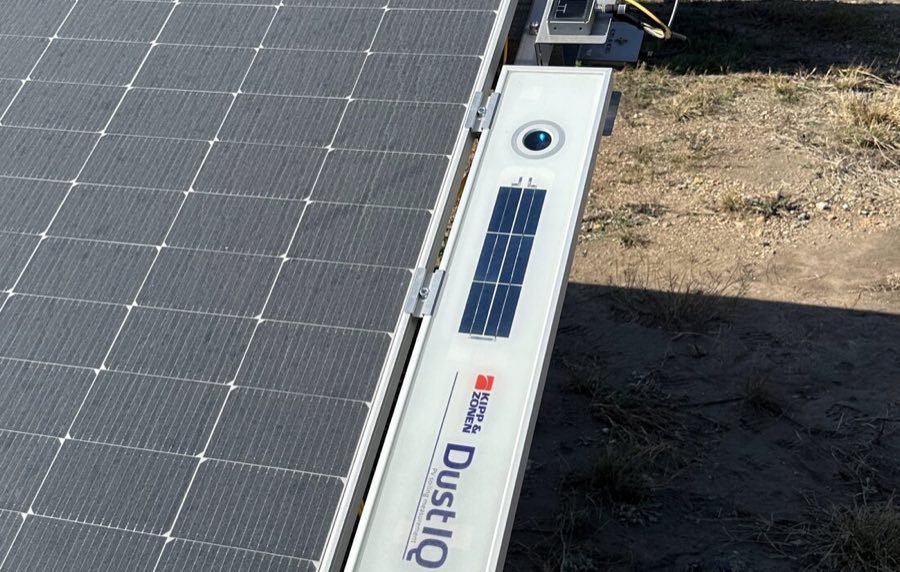
Optical soiling sensors
Mounted in the array, they measure the light lost to dirt on the glass without needing a clean reference module.
Reference cells and strings
A clean cell or string next to a soiled one shows the difference in output, the most direct measure of soiling loss.
Weather and rain data
Rain, wind and dust events are overlaid so the model knows when nature has done some of the cleaning for you.
The right machine for every row.
There is no single best way to clean a plant. We choose the method per block, based on row length, tilt, access, water and how much needs cleaning each day.
Cleaning robots
Rail or row-travelling robots for frequent, low-water or waterless cleaning on dry sites with long rows.
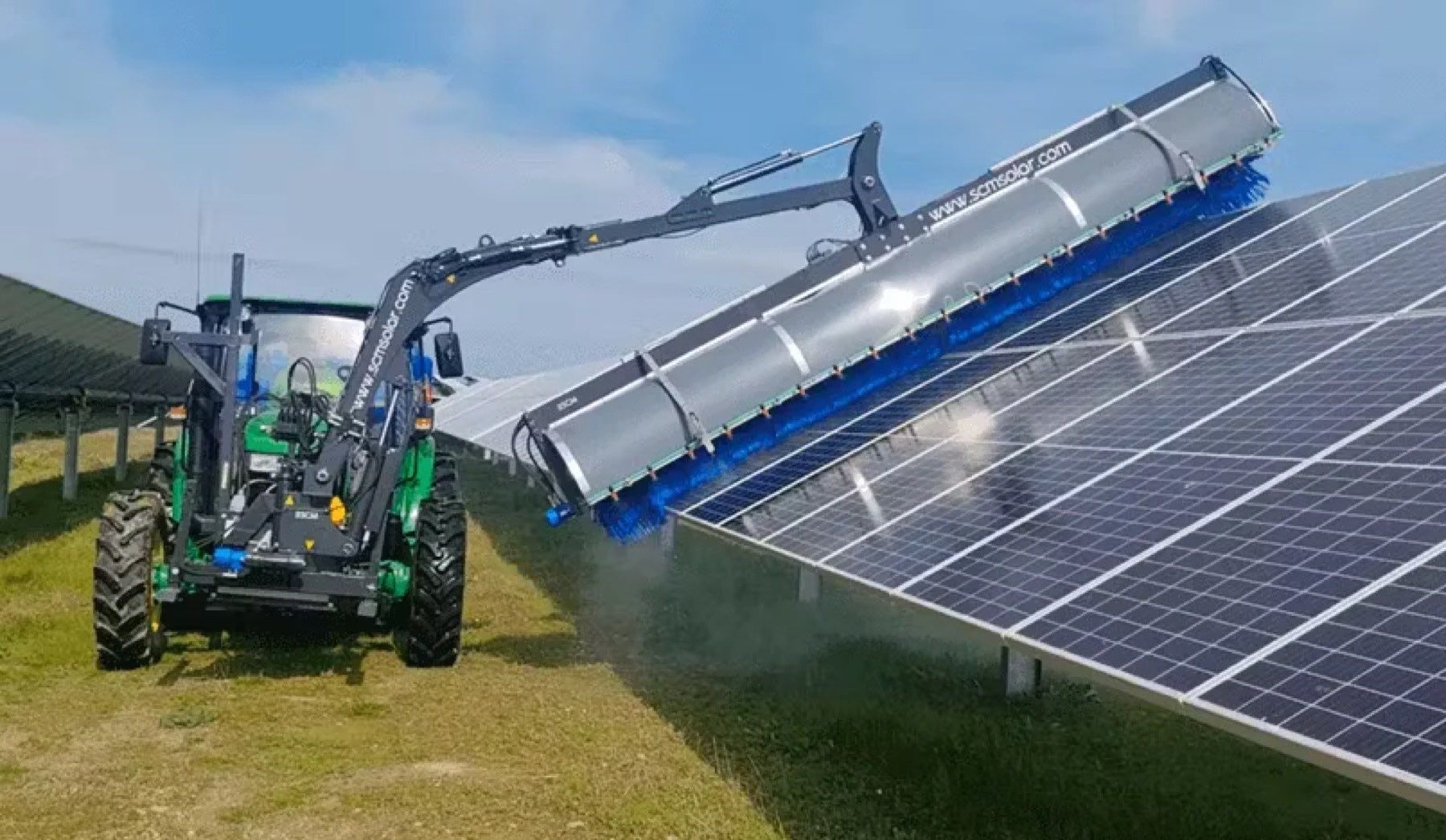
Tractor-mounted brushes
Cover large ground-mount plants fast, with controlled brush pressure and water use.
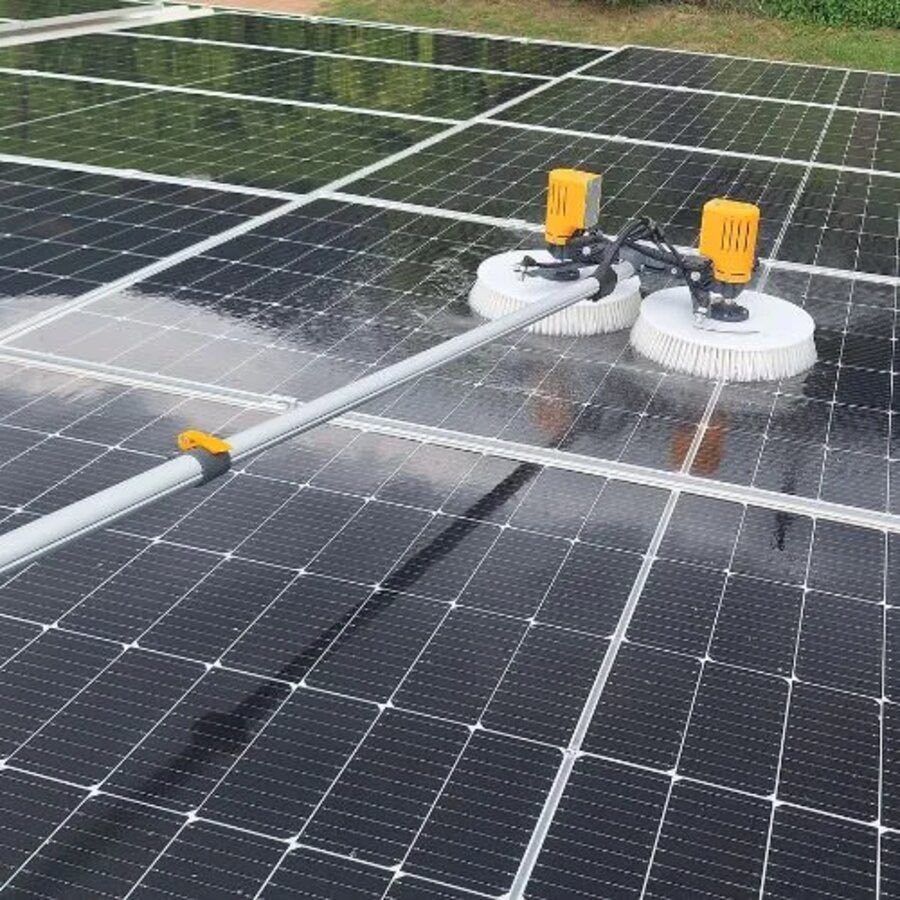
Rotary brush systems
Water-fed rotary heads on poles for rooftops, carports and tight rows, run by trained crews.
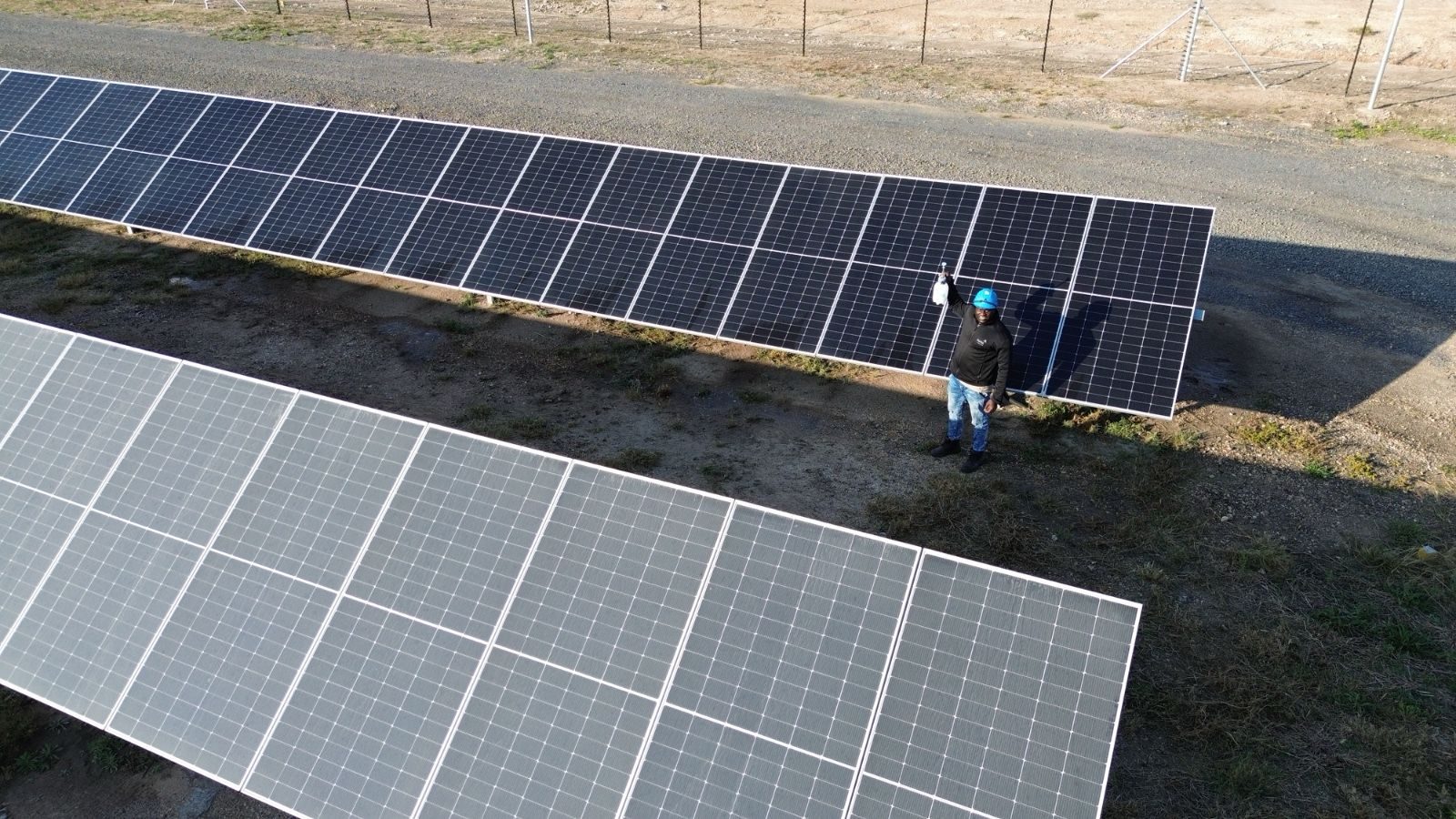
Eyes over every block.
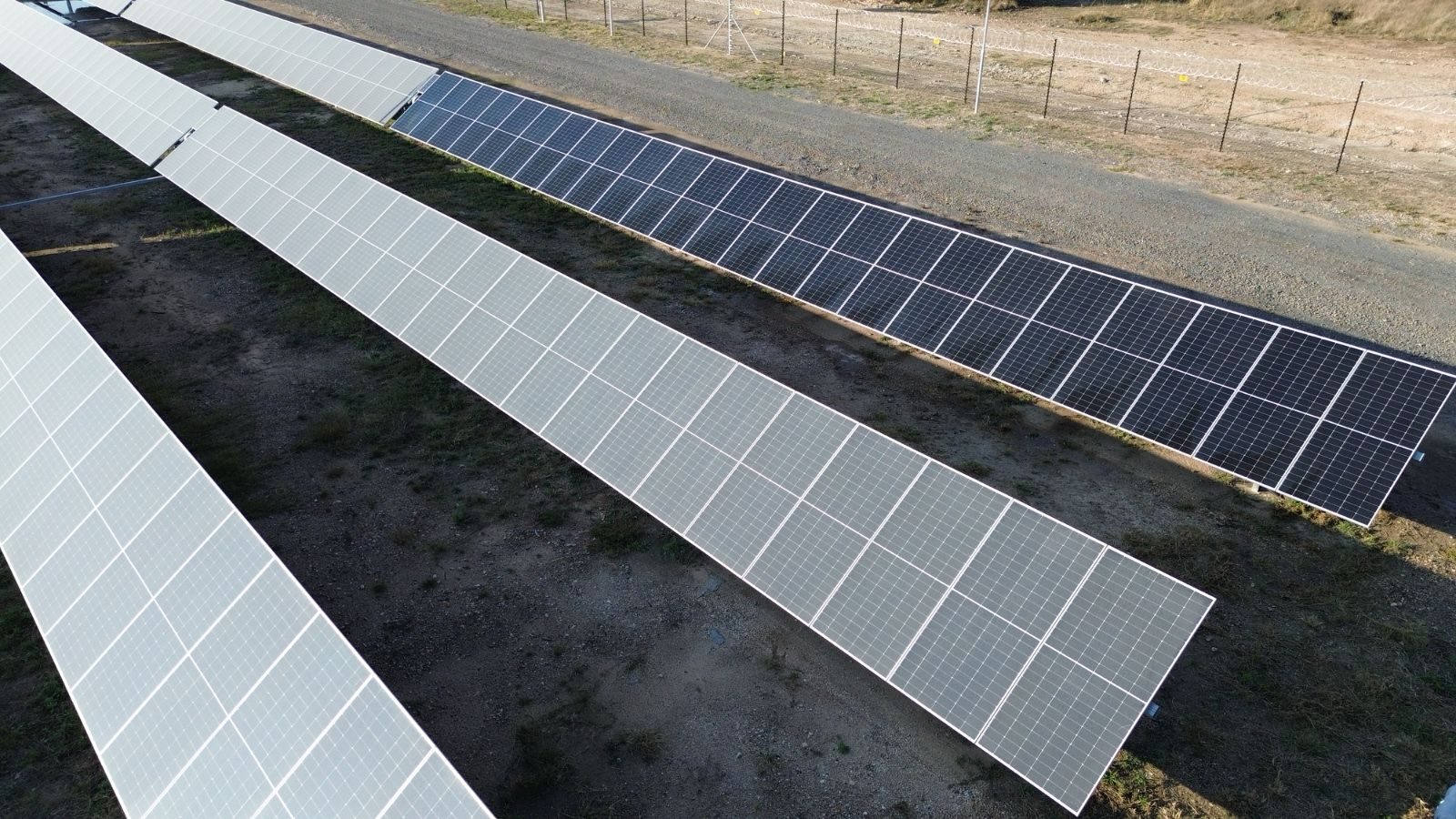
Drone surveys show soiling patterns across the whole plant: dust drifting off a road, a cement plant upwind, birds roosting on one block. After a clean, we fly again to prove the result.
- Before and after aerial imagery
- Soiling hot spots mapped to blocks and strings
- Damaged modules and hot spots flagged for O&M
Engineers behind every clean.
A cleaning programme is an engineering document. Ours protect your modules, your warranty and your people.
Soiling studies
Soiling rate, contaminant type and energy loss, per block, with a payback for each option.
Warranty-safe methods
Methods and products checked against module makers’ cleaning guidelines before we start.
Method statements
Step-by-step procedures, risk assessments and quality checklists for site sign-off.
Continuous improvement
Every clean feeds the model, so the next one is better timed and costs less.
Chemistry, water and equipment from specialists.
Find out what soiling is really costing you.
We’ll install sensing, survey the plant and show you the numbers, before you commit to a programme.